Insuring Safety: The Shift to Composite and Aluminum Fencing in Fire-Prone California
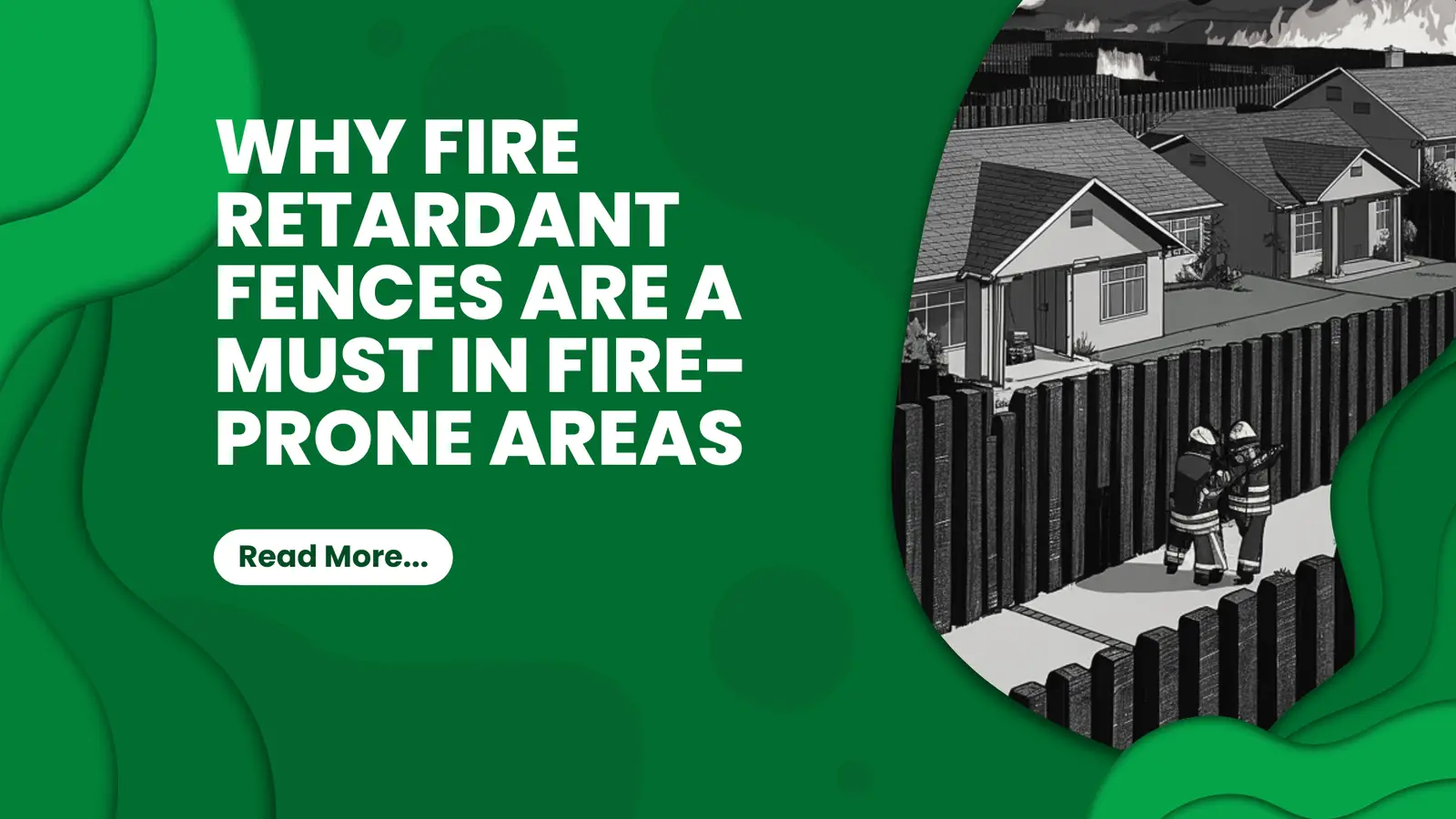
California homeowners in fire-prone areas face significant insurance challenges with traditional wood fences. Aluminum is noncombustible; composite fire performance depends on the specific product's test report. Either can be part of a better-documented property, though coverage decisions stay with the insurer.
Understanding Insurance Limitations for Wood Fences
Wood fences often don't receive full insurance coverage due to their susceptibility to natural element damage. Insurance companies may exclude termite damage or decline claims for poorly maintained fences. This creates financial risk for homeowners relying on traditional wood construction.
Insurance Challenges in High-Risk Fire Zones
Insurance companies assess risk based on flammability. Wood structures significantly increase fire spread potential, causing some insurers to reconsider coverage or impose higher premiums in wildfire-prone California regions. This makes fire-resistant materials increasingly attractive for cost-conscious homeowners.
Fire Safety & Regulations
Fire rules for fences depend on the jurisdiction. In the City of San Diego, Fire-Rescue Standard D-2 requires new fences and gates within 5 feet of new homes in Very High Fire Hazard Severity Zones to be noncombustible: steel, aluminum, fiber cement board or masonry. Composite is not noncombustible; where fire exposure allows it, acceptance depends on the product's documentation and your local fire authority. The statewide Zone 0 rule adopted by the Board of Forestry on August 19, 2026 was not in effect as of September 2026.
Benefits of Fire-Resistant Fencing
| Feature | Benefit |
|---|---|
| Durability | Resistant to cracking, warping, splintering |
| Maintenance | Minimal upkeep needed |
| Fire Performance | Aluminum is noncombustible; composite varies by product |
| Documentation | Material records you can share with an insurer |
Frequently Asked Questions
- Can these fences impact insurance premiums? Some insurers consider home-hardening improvements, but whether a fence affects your premium is the insurer's decision
- Are they genuinely fire-resistant? Aluminum is noncombustible under ASTM E136. Composite is not; its fire performance depends on the specific product's test report
- Are composite fences eco-friendly? Many composite fences use recycled materials, making them environmentally conscious choices
- What about customization? Both materials offer various colors and styles to match any property aesthetic
- How long do they last? Both aluminum and composite fences have longer lifespans than traditional wood
Upgrade to Fire-Conscious Fencing
Book a site review to see where aluminum or composite fits your property, and which material documentation to keep for your insurer.
Book a Site ReviewVerification note (updated March 26, 2026): This article is informational only. Fire-hazard mapping, code requirements, defensible-space rules, insurance treatment, and material acceptance can vary by parcel, product, and AHJ. Confirm current requirements with official California sources and your local building department, fire authority, or insurer before relying on an article for compliance decisions: OSFM FHSZ maps, OSFM Wildland Hazards and Building Codes, BOF Zone 0 / Defensible Space updates, and CAL FIRE Ready for Wildfire.